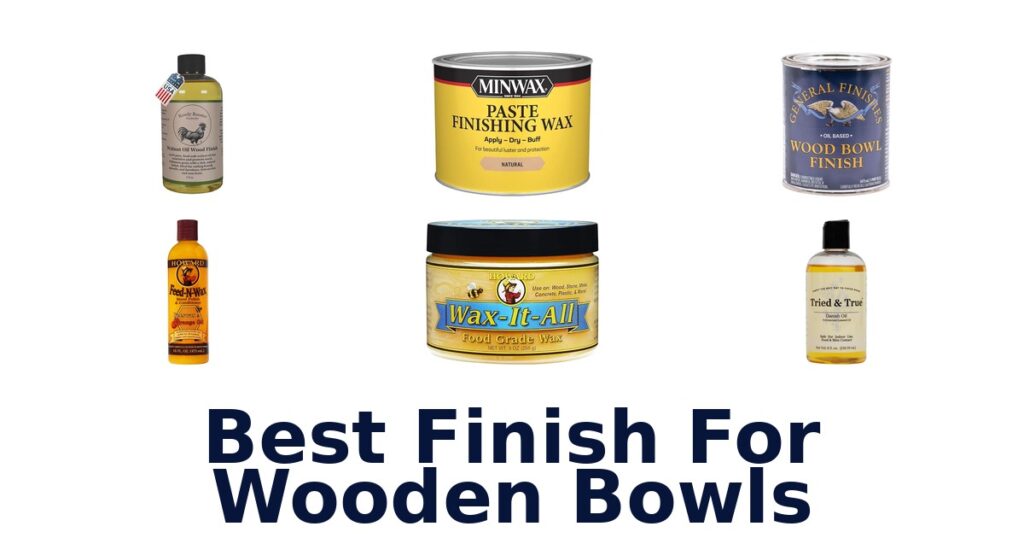

Selecting the best finish for wooden bowls ensures both aesthetic appeal and long-term preservation, ideal for artisans and home chefs alike. Factors like food safety, water resistance, and ease of application differentiate the numerous available options. Choosing the wrong coating can lead to premature wear, discoloration, or even compromise the safety of food preparation, rendering your efforts and materials wasted.
Therefore, understanding the nuances of each product is critical before making a purchase. Ahead, we explore ten top-tier finishes that stand out for their performance and suitability, helping you make an informed decision for your next project.
For the best finish for wooden bowls, consider food-safe options like walnut oil or blends of linseed oil and beeswax, offering both protection and a natural sheen. General Finishes Wood Bowl Finish is specifically formulated for food-contact surfaces, while Tried & True Original Wood Finish combines linseed oil and beeswax for a warm, soft appearance. Choosing a finish like Watco Butcher Block Oil & Finish ensures durability and emphasizes the wood’s natural beauty.
Best Finish for Wooden Bowls: Top Picks at a Glance
| Image | Product | Buy |
|---|---|---|
Best Pick 1  | Tried & True Original Wood Finish, 8 oz. – Linseed Best for: Beginner woodworking | Check Price |
Best Pick 2  | General Finishes Wood Bowl Finish, 1 Pint Best for: Everyday kitchen items | Check Price |
Best Pick 3  | Tried & True Danish Oil, 8 oz. – Polymerized Linseed Best for: Durable protection | Check Price |
Best Pick 4  | Howard Products Feed-N-Wax Wood Polish & Conditioner, 8 oz, Orange Best for: Natural conditioning | Check Price |
Best Pick 5 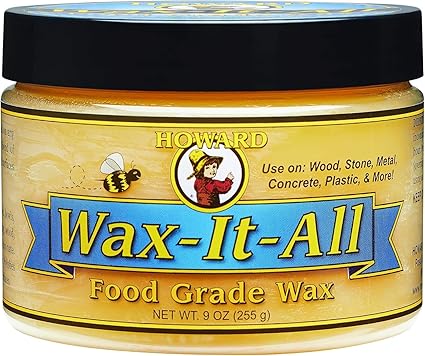 | HOWARD WAX-IT-All – Protective Food-Grade Wax, Beeswax Wood Polish: Beautifies Best for: Safe food surfaces | Check Price |
How We Picked
We prioritized natural oils and beeswax blends for their food-safe qualities and ability to enhance wood’s natural beauty, crucial for achieving the best finish for wooden bowls. Durability and ease of application were key, favoring products like Tried & True Original Wood Finish and General Finishes Wood Bowl Finish. We ruled out those solely focused on restoring existing finishes, such as Restor-A-Finish, as our focus was on achieving an initial protective layer.
Factors like penetration depth and long-term conditioning, evident in walnut oil and feed-n-wax products, contributed to our selections.
What Most Buyers Get Wrong
Food Safety is Paramount
When finishing wooden bowls, especially those intended for food preparation or serving, prioritizing food-safe ingredients is non-negotiable. Look for products explicitly labeled as food-grade or safe for food-contact surfaces. General Finishes Wood Bowl Finish and HOWARD WAX-IT-All are designed with this in mind, offering peace of mind that your bowls won’t leach harmful chemicals.
Consider oils like Refined Walnut Oil as natural alternatives that dry to a hard, inert finish.
Durability vs. Natural Feel
Choosing a bowl finish involves a trade-off between protecting the wood and maintaining its natural feel. Penetrating oil finishes like Tried & True Original Wood Finish and Tried & True Danish Oil soak into the wood, offering a natural look and feel while providing good protection. For a more protective, though less natural feel, consider a wax-based conditioner like Howard Products Feed-N-Wax or Minwax Paste Finishing Wax, which create a surface barrier that can be easily reapplyied.
1. Tried & True Original Wood Finish, 8 oz. – Linseed
Best for: Authentic linseed oil & beeswax blend users.
This 8 fl. oz. container of Tried & True Original Wood Finish combines polymerized linseed oil and beeswax for a natural, protective coating, creating a soft appearance for your wooden bowls.
Its polymerized formula cures quickly without toxic drying aids, offering water and liquid protection in a solvent-free application. A little goes a long way, covering up to 100 sq. ft. per quart.
Pros
- Polymerized linseed oil for efficient curing
- Beeswax adds a protective, soft sheen
- Solvent-free for safe indoor application
- Creates a natural, warm appearance
Cons
- No specific applicator included, requires separate tools for application.
This finish is ideal for craftspeople seeking a traditional, food-safe option for their handmade wooden bowls. Achieve a durable, natural look that enhances the wood’s beauty.
2. General Finishes Wood Bowl Finish, 1 Pint
Best for: Wooden bowl makers needing food-safe finishes.
General Finishes Salad Bowl Finish offers a safe topcoat specifically for wooden bowls and other food-contact surfaces, providing peace of mind for everyday use.
This liquid finish comes in a 1-pint container, ideal for multiple projects, and creates a beautiful, protective barrier. It’s formulated for interior wood surfaces, ensuring a lasting, food-safe seal.
Pros
- Certified food-safe for direct contact
- Creates a beautiful, protective surface
- Suitable for bowls, cups, and spoons
- Designed for interior wood items
Cons
- Not recommended for active butcher block countertops used for chopping.
Perfect for woodworkers creating functional kitchenware that frequently interacts with food. Ensure your wooden bowls are protected and safe for serving with this dedicated finish.
3. Tried & True Danish Oil, 8 oz. – Polymerized Linseed
Best for: Woodworkers seeking a Danish oil effect.
Tried & True Danish Oil, an 8 oz. bottle of polymerized linseed oil, provides superior penetration for interior woodwork, subtly darkening the wood for a richer look.
This formula cures quickly, allowing for easy application and enhancement of wood grain. It can be mixed with oil-based pigments to create custom wood stains, offering versatility for artistic projects.
Pros
- High penetrating power for deep conditioning
- Polymerized for fast, easy application
- Subtly darkens wood for enhanced beauty
- Can be tinted for custom stain effects
Cons
- Requires reapplication for optimal long-term protection, unlike thicker film finishes.
This oil is best for woodworkers aiming for a natural, close-to-the-wood feel on furniture and decorative bowls. Create depth and a custom hue with this professional-grade formula.
4. Howard Products Feed-N-Wax Wood Polish & Conditioner, 8 oz, Orange
Best for: Conditioning and polishing finished wood.
Howard Products Feed-N-Wax Wood Polish & Conditioner, an 8 oz. bottle, applies a protective layer of Carnauba and Beeswax to enhance your wooden bowls’ natural luster.
This blend of beeswax, carnauba wax, and orange oil deepens the wood’s natural beauty and grain. It is formulated to prevent further drying and protect existing finishes on both antique and contemporary wood pieces.
Pros
- Protective coating of Carnauba and Beeswax
- Enhances natural wood grain depth
- Prevents wood from drying out
- Orange oil adds a pleasant scent
Cons
- Not suitable as a primary sealant for unfinished wood exposed to significant moisture.
Ideal for maintaining and beautifying already finished wooden bowls and other furniture. Use this polish to keep your wood looking its best after restoration or regular use.
5. HOWARD WAX-IT-All – Protective Food-Grade Wax, Beeswax Wood Polish: Beautifies
Best for: Food-safe beeswax for kitchen items.
This 9 oz. container of HOWARD WAX-IT-All provides a food-grade beeswax finish, creating a protective barrier ideal for wooden bowls and kitchen cutting boards.
This all-natural beeswax polish enhances surfaces while acting as a natural wood protector, leaving a beautiful sheen. Its easy-to-apply formula is designed for safe use on all kitchen wood items.
Pros
- Certified food-grade beeswax
- Creates a protective surface barrier
- Enhances wood’s natural sheen
- Easy to apply with a cloth
Cons
- Primarily a surface protector and polisher, not a deep penetrating oil for structural protection.
This is the perfect choice for makers of wooden bowls and cutting boards needing a food-safe wax. Achieve a beautiful, protective finish that enhances the wood’s natural character.
6. Watco 16 Oz. Butcher Block Oil & Finish – 1

Best for: Butcher block and cutting board owners.
Watco’s 16 oz. Butcher Block Oil & Finish penetrates deeply to condition and protect wood, making it ideal for wooden bowls that see regular use.
This oil and finish blend is specifically designed for wood surfaces that require robust protection and a natural, low-sheen appearance. It comes in a generous 16 oz. unit, enough for several applications.
Pros
- Deep penetrating oil for wood conditioning
- Provides a protective finish
- Specifically formulated for butcher blocks
- Leaves a natural, low-sheen look
Cons
- The finish is matte and does not add a high gloss to the wood.
This finish is for woodworkers and homeowners looking for durable protection on heavily used wooden bowls or cutting boards. Ensure your kitchenware can withstand daily use with this robust formula.
7. Howard Products Beeswax Wood Polish & Conditioner, Feed-N-Wax, Beeswax Furniture

Best for: Maintaining wood furniture finishes.
Howard Products Beeswax Wood Polish & Conditioner nourishes wood surfaces with conditioning oils and a blend of Carnauba Wax and Beeswax, enhancing the natural beauty of your bowls.
This liquid formula introduces oils that feed the wood, preventing drying and fading, and contains no silicone or linseed oils. It’s recommended for use on antiques, dining tables, and cabinets for a soft luster.
Pros
- Nourishes wood with conditioning oils
- Protective coating of Carnauba and Beeswax
- Enhances natural grain and color
- Prevents drying and deterioration
Cons
- Does not contain linseed oil, which some users prefer for deeper conditioning.
This conditioner is excellent for routine maintenance of wooden bowls and other fine wood items. Keep your cherished wooden pieces looking vibrant and protected against the elements.
8. Refined Walnut Oil for Wooden Kitchen Items, 9 fl.oz |

Best for: Natural woodworkers needing food-safe oils.
Rowdy Rooster Woodworks’ Refined Walnut Oil, a 9 fl. oz. bottle, offers a premium, food-safe finish for wooden kitchen items, providing a rich, deep appearance.
This versatile oil is a food-grade alternative to traditional tung and linseed oils, ensuring safety for cutting board and butcher block applications. It outperforms standard conditioners for exceptional craftsmanship.
Pros
- Food-safe, premium walnut oil
- Creates a rich, deep wood finish
- Alternative to tung and linseed oil
- Ideal for cutting boards and bowls
Cons
- Requires multiple coats for optimal build and protection on dense woods.
This oil is perfect for woodworkers crafting high-quality, food-safe wooden bowls and utensils. Achieve a luxurious, natural finish that is both beautiful and safe for culinary use.
9. Howard Products RF4016 RF3016 Restor-A-Finish, 16 oz, Walnut, 16 Fl

Best for: Restoring scratched and blemished wood.
Howard Products RF4016 Restor-A-Finish in Walnut, a 16 oz. bottle, penetrates wood finishes to restore them while blending minor scratches and blemishes effectively.
This unique formula works by blending out imperfections, removing white heat rings and water marks with a simple wipe-on, wipe-off process. It’s available in nine colors to match virtually any wood finish tone.
Pros
- Restores depth to faded finishes
- Blends out minor scratches and blemishes
- Removes heat rings and water marks
- Available in nine matching colors
Cons
- This product is a finish restorer, not a protective topcoat itself; reapplication of a finish may be needed.
This restorative finish is for those looking to revive dull or damaged wooden bowls without complete sanding. Quickly bring back the original beauty to your cherished wood pieces.
10. Minwax Paste Finishing Wax, Natural, 1 lb

Best for: Adding a protective hand-rubbed luster.
Minwax Paste Finishing Wax in Natural, a 1 lb. container, provides a protective hand-rubbed luster to any finished wood surface, including your wooden bowls.
This paste wax is recommended for furniture, antiques, and woodwork that doesn’t require a hard polyurethane coat, offering a natural sheen. It’s easy to apply, drying in 10-15 minutes for a quick buff.
Pros
- Protects and adds luster to finished wood
- Easy, quick-drying application
- Creates a hand-rubbed effect
- Suitable for various finished wood items
Cons
- Provides minimal protection against moisture and heavy wear compared to a film finish.
This wax is ideal for craftspeople and hobbyists wanting to add a final touch of sheen and protection to their finished wooden bowls. Achieve a smooth, polished look with minimal effort.
Food Safe Finishes: Not Always Food Grade
The primary differentiator among wooden bowl finishes, and an area where too many buyers err, is the distinction between food-safe topcoats and true food-grade finishes. While some products, like General Finishes Wood Bowl Finish, are explicitly labeled as safe topcoats for surfaces that come into contact with food, this does not equate to a fully food-grade material that can be ingested or handled without concern during preparation. True food-grade finishes, such as HOWARD WAX-IT-All – Protective Food-Grade Wax, are designed with ingredients like beeswax that pose no health risk even if a small amount is consumed or if they are repeatedly exposed to moisture and food particles.
This distinction is critical for anyone intending to use a wooden bowl for more than just decorative purposes. For instance, Refined Walnut Oil for Wooden Kitchen Items is a food-safe alternative to traditional oils, providing a rich, deep finish without the potential allergens or toxicity concerns associated with some other treatments. Its simple, natural composition makes it ideal for items that will see active use in the kitchen.
In contrast, finishes that rely on polymerization, like Tried & True Danish Oil, create a durable barrier but are not intended for direct food contact after curing due to the chemical changes that occur. While excellent for furniture, they are not the best finish for wooden bowls used for serving or prep.
Buyers often confuse a food-safe topcoat with a food-grade finish because the marketing language can be ambiguous. Products like Minwax Paste Finishing Wax or Howard Products Beeswax Wood Polish & Conditioner (which contains Carnauba Wax and Beeswax) offer a protective sheen and conditioning for wood furniture, but their intended use is generally for finished surfaces that won’t be subjected to prolonged food contact or immersion. While they may be non-toxic once cured, they lack the specific formulation for repeated, direct exposure to foodstuffs that a dedicated food-grade wax or oil provides.
The purpose of the bowl dictates the finish. For a decorative piece, a polymerized linseed oil like Tried & True Original Wood Finish, which cures to a hard, protective layer with a warm appearance, is perfectly suitable. However, for a bowl that will cradle salad, hold bread, or be used for chopping, a finish that is not only non-toxic but also actively beneficial or inert upon ingestion is paramount.
The Watco 16 Oz. Butcher Block Oil & Finish, while excellent for butcher blocks, also falls into that protective category rather than the active food-grade realm.
The choice hinges on whether the bowl is a display piece or an active kitchen tool.
Ultimately, if the wooden bowl will regularly interact with food, selecting a product specifically designated as food-grade, such as HOWARD WAX-IT-All, is the only prudent approach to ensure both longevity of the bowl and safety for the user.
What to Consider for the Best Finish for Wooden Bowls
Foodsafe finishes
A finish that touches food must meet strict safety standards. When selecting the best finish for wooden bowls, prioritize those explicitly labeled as food-safe or naturally derived, ensuring no harmful chemicals leach into your cuisine. Many artisans opt for natural oils like walnut oil, as seen in premium wood treatments designed as food-safe alternatives for kitchen items like butter dishes.
Beeswax blends, such as those found in Howard Products Feed-N-Wax, offer a protective coating and enhance wood’s natural allure without compromising safety. These blends, combining beeswax with conditioning oils, nourish the wood while providing a gentle luster.
For a more robust barrier, consider food-grade shellac or lacquer, though verify the specific product’s certification for direct food contact. General Finishes Wood Bowl Finish, specifically created to be safe on surfaces that contact food, exemplifies a reliable product in this category, providing peace of mind for culinary creations.
Durability and water resistance
A wooden bowl’s finish must withstand daily contact with moisture and food, ensuring it remains beautiful and functional for years to come. Products like General Finishes Wood Bowl Finish are specifically created for safe topcoats on surfaces that come into contact with food, although they are not recommended for actively used butter dishes. The longevity of a finish is crucial; a good sealant will resist liquids and staining, preventing common issues like water rings or the absorption of oils and pigments from food.
For instance, a blend of linseed oil and beeswax, like that found in Tried & True Original Wood Finish, provides a protective barrier that enhances appearance while offering some resistance. When reapplication is eventually needed, many oil and wax-based finishes are designed for user-friendly maintenance.
A product like Howard Products Feed-N-Wax Wood Polish & Conditioner, which contains Carnauba Wax and Beeswax, can easily revive a dull finish and fortify its protective qualities.
Application method and curing time
The application method and required curing time significantly impact how efficiently you can finish your wooden bowls. Many food-safe finishes, like the General Finishes Wood Bowl Finish or the Tried & True Original Wood Finish, are designed for simple rub-on application, allowing for easy, even coverage. This often means multiple coats are necessary to build up the desired protective sheen, with some products, such as Watco Butcher Block Oil & Finish, recommending several applications.
For instance, the Refined Walnut Oil for Wooden Kitchen Items, a food-safe alternative, suggests applying it until the wood no longer absorbs more. In contrast, waxes like Howard Products Feed-N-Wax Wood Polish & Conditioner act more as a conditioner and final protective layer, often applied after an oil finish has cured.
While some oil-based finishes, like Tried & True Danish Oil, are polymerized for faster drying, others may require longer cure times before a bowl is ready for use, especially those that contact food.
Aesthetic qualities
The sheen of a wood bowl finish profoundly impacts its visual appeal and how it interacts with light. For a subtle, natural look, consider finishes that provide a matte to satin sheen, like the blend of linseed oil and beeswax in Tried & True Original Wood Finish, which offers a warm soft appearance. If you desire a richer, deeper tone, some oils and waxes can enhance the wood’s natural color. For example, Refined Walnut Oil promises a rich, deep finish for wooden kitchen items.
Beyond visual characteristics, some finishes can impart a subtle texture. Products containing beeswax, such as Howard Products Feed-N-Wax Wood Polish & Conditioner, leave a protective coating that can add a smooth, polished feel to the wood’s surface, while still allowing the natural grain to show through.
Quick Best Finish For Wooden Bowls Buying Checklist
- Food Safety: Ensure the finish is explicitly labeled as food-safe, especially for bowls used with edible items.
- Durability: Opt for finishes that offer good resistance to water, stains, and general wear and tear.
- Ease of Application: Consider finishes that are simple to apply evenly without special tools or techniques.
- Curing Time: Factor in how long the finish needs to dry or cure before the bowl can be safely used.
- Aesthetics: Choose a finish that enhances the wood’s natural beauty and achieves your desired look.
- Maintenance: Select a finish that is easy to reapply or refresh as needed over time.
Frequently Asked Questions
What Is The Best Food-Safe Finish For Wooden Bowls?
The best food-safe finish for wooden bowls often includes mineral oil, walnut oil, or tung oil, sometimes blended with beeswax. These natural options penetrate the wood, providing protection without harmful chemicals, and are generally easy to reapply if needed.
How Do I Protect A Wooden Bowl From Water Damage?
To protect a wooden bowl from water damage, use a penetrating oil finish like tung oil or walnut oil, or a beeswax blend. These create a barrier that repels moisture, preventing the wood from swelling, cracking, or staining when exposed to liquids.
Can I Use Regular Cooking Oil As A Finish For Wooden Bowls?
Regular cooking oils like olive or vegetable oil are not ideal as long-term finishes for wooden bowls because they can go rancid over time, leaving an unpleasant odor and taste. Food-grade mineral oil or specialized wood finishes are much safer and more durable options.
How Often Should I Reapply Finish To A Wooden Bowl?
The frequency of reapplication depends on usage and the type of finish, but generally, oil finishes need refreshing every few months. If the bowl looks dry, dull, or water is no longer beading on the surface, it’s time for another application.
What’S The Difference Between Oil And Wax Finishes For Wooden Bowls?
Oil finishes penetrate the wood to provide internal protection and enhance the grain, often requiring reapplication. Wax finishes sit more on the surface, offering a protective barrier and sheen, and are typically reapplied more frequently than oils for optimal protection.
Final Words
Choosing the best finish for wooden bowls safeguards their beauty and extends their lifespan. Whether you prioritize food safety, durability, or a natural look, the right finish enhances the wood’s character and usability. Invest in a quality finish to protect your cherished wooden bowls for years of enjoyment.